
Insights From the Ground
Reflections on responsible travel, community partnership, culture, and meaningful journeys in Tanzania.
At Eco Journeys, travel is not something we sell — it’s something we practice, reflect on, and continuously learn from.
Our Insights share perspectives drawn from years of working across community development, hospitality, and the safari industry in Tanzania. These articles are written to inform, challenge assumptions, and offer a deeper understanding of what meaningful travel can be — for travelers and host communities alike.
Whether you are an individual traveler, an educator, or an organization, these reflections offer context into how and why we design journeys the way we do.
Rural Life & Community
Rural communities are the backbone of Tanzania’s cultural identity and stewardship of land.
This collection of insights explores life beyond urban centers and tourism hubs — focusing on rural rhythms, community knowledge, and why meaningful travel must include voices from the margins.
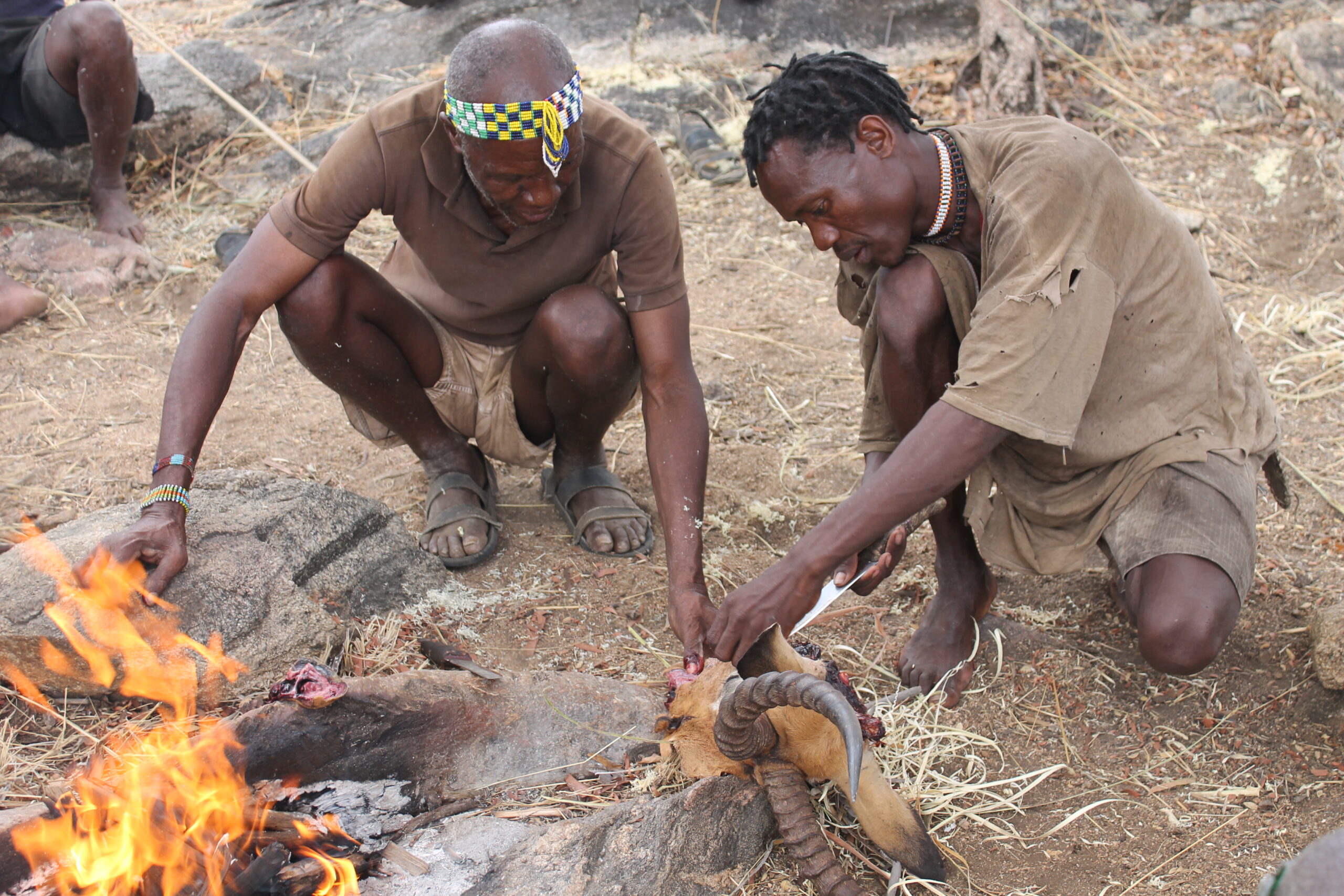
Why Rural Life Is Central to Understanding Tanzania
To understand Tanzania, one must spend time where life moves at a different pace.
In rural communities, daily routines are shaped by land, seasons, and collective responsibility. Knowledge is passed through practice rather than instruction, and relationships carry more weight than schedules.
For travelers, rural life offers something increasingly rare — perspective.
It challenges assumptions about progress, comfort, and success. It asks visitors to slow down, to observe before participating, and to recognize that value is not measured in speed or convenience.
At Eco Journeys, rural travel is not presented as an “add-on.” It is central to understanding how Tanzania functions beyond national parks and cities. Communities such as those in Loliondo are not destinations to consume, but places where presence matters.
When travelers engage with rural life respectfully, something subtle happens. The journey shifts from observation to connection. From taking photographs to forming memories grounded in humility and understanding.
Rural travel reminds us that meaningful journeys are not defined by how much we see — but by how deeply we experience.
Travel Philosophy
Travel is shaped by intention.
This category shares reflections on how journeys are designed, why purpose matters, and how thoughtful travel can create value for both visitors and host communities.
Travel With Intention:
Why How You Travel Matters
Travel is never neutral.
Every journey influences people, environments, and local economies — whether we acknowledge it or not. Yet much of modern tourism is built around speed, volume, and convenience rather than understanding.
At Eco Journeys, we believe travel should begin with intention.
Why are you traveling?
What do you hope to learn?
How do you want to engage with the places you visit?
Intentional travel does not mean rigid planning. It means thoughtful design. It means choosing depth over quantity, connection over consumption, and responsibility over spectacle.
This philosophy shapes how we design journeys — from pacing safaris to structuring cultural immersion and community engagement. It’s why we avoid one-size-fits-all itineraries and instead focus on experiences that align with the traveler’s purpose.
When intention guides travel, something powerful happens. Journeys become more than movement. They become experiences that stay with people long after they return home.
Conservation & Culture
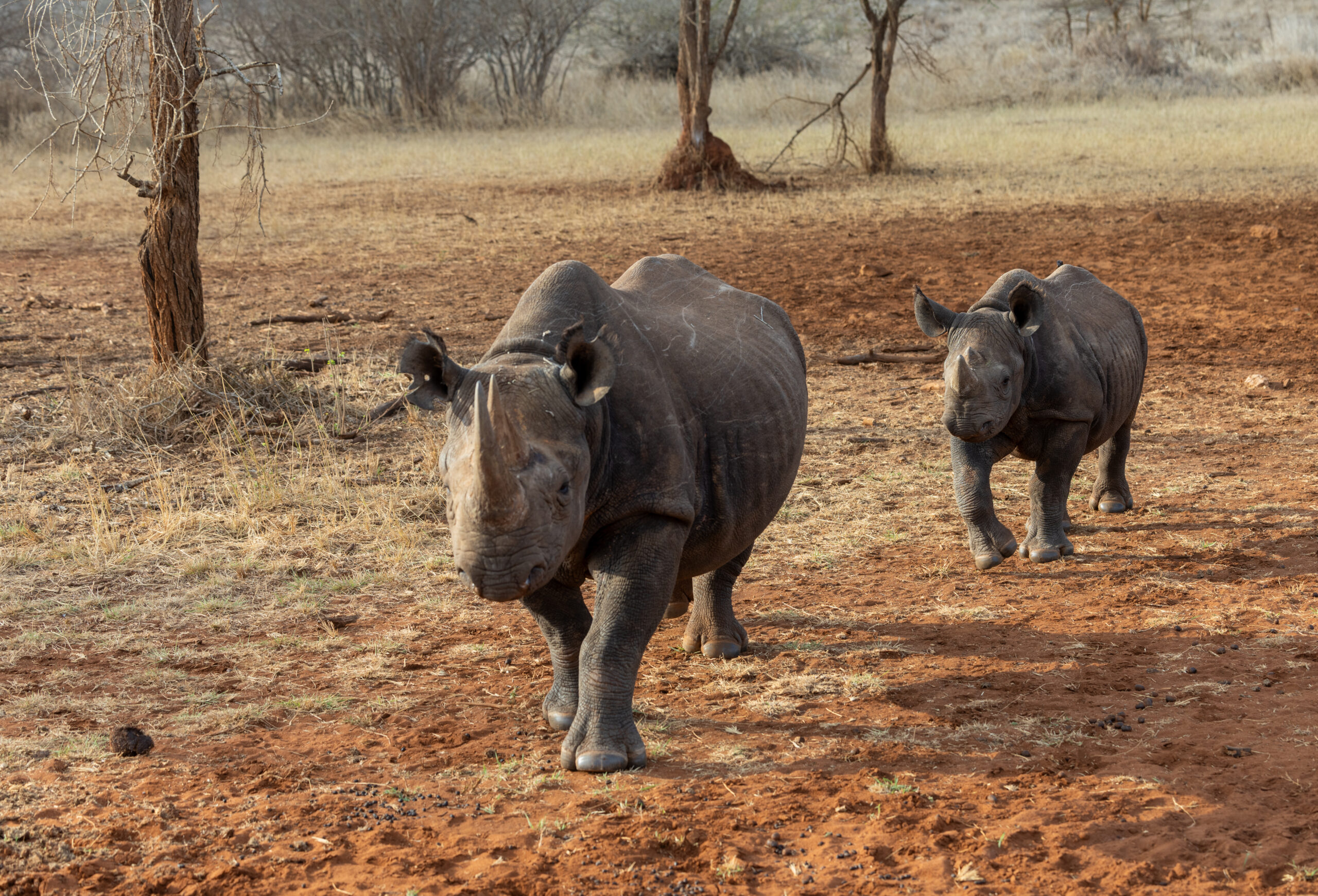
Conservation and culture are deeply connected in Tanzania.
This category explores how wildlife protection, cultural traditions, and community livelihoods intersect — and why responsible travel must respect all three.

Conservation Is About People
Not Just Wildlife
When people think of conservation in Tanzania, they often picture wildlife — lions, elephants, and vast landscapes.
But conservation does not succeed without people.
Communities living alongside wildlife play a critical role in protecting ecosystems. Their knowledge, traditions, and daily decisions shape conservation outcomes far more than fences or policies alone.
Culture influences how land is used, how animals are perceived, and how resources are shared. Ignoring cultural context in conservation efforts often leads to conflict rather than protection.
At Eco Journeys, we approach conservation as a relationship between people and place. Safaris are not just about sightings — they are opportunities to understand coexistence, responsibility, and balance.
When travelers learn how culture and conservation intertwine, wildlife encounters gain deeper meaning. They become stories of coexistence rather than spectacles.
Responsible travel supports this balance — by respecting cultural context and acknowledging that conservation begins with people.
Meaningful journeys are not defined by how much we see — but by how deeply we experience.
OUR PROMISE
Personalize Your Journey
Travel experts crafting dream vacations. Our passionate team boasts unparalleled knowledge and dedication to creating flawless getaways.
We share a deep love for travel and the destinations we curate. Our commitment? Crafting the perfect itinerary for you, every time. Expect exceptional service with 24/7 support, personalized care, and a travel companion’s presence throughout your journey.